Linen Bedding · A Practical Guide
What to Look for in a Libeco Linen Duvet Cover
A linen duvet cover is more than a beautiful surface. Its weave, finish, dimensions, fastening and care routine all shape how it feels on the bed and how well it suits everyday life. When considering a Libeco linen duvet cover, look beyond the name and learn to read the details that make a cover practical, comfortable and enduring.
Published November 12, 2026
Start with the fabric, not the label
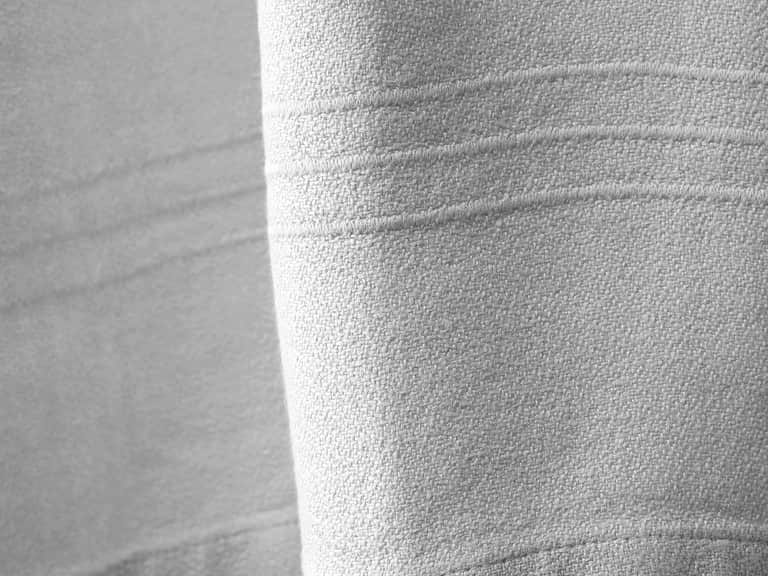
Linen has a distinct appeal: a relaxed surface, an easy drape and a texture that feels composed without looking overly polished. But the word “linen” describes a fiber-based fabric, not one universal hand feel or level of performance. A cover’s character depends on the flax yarn, the way those yarns are woven, the finishing applied after weaving and the details used to assemble the finished piece.
That distinction matters when comparing linen bedding. One cover may feel crisp and substantial; another may be lighter, softer or more visibly textured. Neither is automatically better. The right choice depends on what you want from the bed: a cool, airy layer, a more generous and weighty drape, or a relaxed finish that looks at home with softly rumpled sheets.
For a Libeco linen duvet cover, treat the brand name as a useful starting point rather than a substitute for the specifications. Read the description of the particular style and size you are considering. Check the stated fiber content, construction, finish and care instructions. Product details can differ among designs, and assumptions based on one linen cover may not apply to another.
Understand what linen brings to bedding
Linen is made from flax fibers. In bedding, it is often chosen for its breathable feel and the natural variation of its surface. The fabric can look slightly irregular, with small differences in yarn and texture that give it a character distinct from a perfectly smooth, uniform weave. That quality is part of linen’s appeal: it brings dimension without needing a conspicuous pattern or elaborate decoration.
Airflow and moisture movement are common reasons people consider linen for sleep. How a particular cover performs, however, depends on more than the fiber alone. Weave density, fabric weight, room temperature, the duvet insert and personal preferences all influence the final experience. A duvet cover is one layer in a bedding system, so it should be considered alongside the sheets and the warmth of the insert beneath it.
Linen is also known for changing with use. Many linen fabrics become softer through washing and handling, though the pace and degree of change vary with the textile and its finish. A cover that feels slightly crisp at first may settle into a more relaxed hand over time. If an especially smooth, silky feel is your priority from the first night, compare the fabric description carefully and consider whether linen’s natural texture is what you want.
Weave, weight and texture: the details behind the feel
Weave describes how the lengthwise and crosswise yarns interlace. A product page may not explain the weave in technical detail, but it should give enough information to help you understand the fabric’s look and use. When it does not, the available material and care notes can still offer clues. A visibly textured or relaxed finish will read differently from a smooth, compact surface, even when both are made from linen.
Fabric weight, when listed, is another useful point of comparison. It is often expressed in grams per square metre, or GSM. The number can provide context about the material, but it should not be treated as a simple quality score. A heavier fabric may feel more substantial; a lighter one may feel more fluid. Neither measurement alone tells you how soft, breathable or durable a particular duvet cover will feel in your home.
Try to read weight alongside construction and finishing information. Is the fabric described as washed, stone-washed, garment-dyed or otherwise finished? These terms refer to different processes, and their meaning can vary by maker. They may signal an already relaxed appearance or a particular surface treatment, but a finish should not be assumed from brand or fabric name. Look for an explicit description of the specific cover.
Texture is both tactile and visual. A naturally uneven surface can make a bed feel inviting and less formal, while a more even weave may create a quieter, tailored impression. Consider how that texture will sit with the rest of the room: smooth cotton sheets, a quilted layer, patterned shams or a plain coverlet. Linen’s subtle irregularity can work as an understated counterpoint to sharper, more structured elements.
Closures and construction deserve a close look
The fastening is one of the most practical details of a duvet cover. Common options include buttons, ties, snaps and zippers, though a particular style may use another arrangement. Each affects the way the duvet is inserted, secured and removed for laundering. Check the product description instead of assuming that every cover in a collection uses the same closure.
Buttons can contribute a traditional finishing detail and are straightforward to inspect for wear. Ties inside the cover can help anchor the insert at its corners, limiting movement as the bed is used. A zipper can provide a relatively continuous closure, but its location and quality matter: it should be positioned and finished in a way that does not irritate the sleeper or catch on delicate fabric. Whatever the method, examine whether it suits the way you make and wash the bed.
Internal ties are especially worth checking if your duvet insert tends to shift. Corner ties—or a different stated arrangement—may help keep the insert aligned, but the number and placement should be confirmed in the product details. Do not assume that ties are included simply because they are common on duvet covers. Likewise, confirm whether the listed item is a single cover or a set that includes coordinating shams.
Seams, hems and edge finishing also influence how a cover looks and holds up. A carefully finished edge gives the textile a more complete appearance, while well-secured seams help the cover withstand routine handling. Product descriptions do not always provide exhaustive construction information. If a detail is important to you, check the maker’s current specifications or ask the retailer to clarify it before deciding.
Get the dimensions right
A duvet cover should be compatible with the insert it is intended to hold. Start by measuring the duvet itself rather than relying only on labels such as Queen or King. Bedding sizes are not perfectly uniform across regions or manufacturers, and two products carrying the same size name may not have identical measurements. Compare the cover’s stated dimensions with those of your insert.
A close match helps the insert sit more evenly inside the cover. If the cover is substantially larger, the insert may shift or gather; if it is smaller, the filled duvet can feel compressed and the corners may be difficult to secure. The desired amount of ease can vary with the construction and personal preference, so use the actual measurements as your guide instead of expecting a single universal fit rule.
Consider the bed as well as the insert. The finished drape depends on mattress width and depth, bed height and how far you want the cover to fall at the sides. If you are replacing an existing cover, measuring it can be a helpful reference, but confirm the measurements of the duvet insert too. The old cover may have stretched, shrunk or been sized differently.
Before laundering a new linen cover, review the care label for any guidance about shrinkage and drying. Dimensions can change with washing and heat, depending on fabric and finish. Follow the instructions for the particular item rather than applying a generic linen routine, and avoid using a dryer setting that conflicts with the maker’s directions.
Read the care instructions before bringing it home
Good linen bedding care begins with the label. Washing temperature, cycle, detergent guidance and drying method vary across fabrics and finishes. Even covers made from the same fiber may have different instructions. A care routine that is too aggressive can cause unnecessary wear, fading, shrinkage or roughness; a gentler approach can help the textile retain its character over time.
Before the first wash, check whether the manufacturer recommends washing the cover separately, with similar colors or on a specific cycle. Close buttons or zippers if the care instructions advise it, and avoid overloading the washer. A crowded drum can prevent bedding from moving freely, which may lead to uneven cleaning and twisting. Use an appropriate amount of detergent, following both the care label and the detergent directions.
Drying deserves equal attention. Some linen covers may be tumble-dried on a low setting; others may have different guidance. If air-drying is permitted, give the fabric room to dry evenly and avoid leaving it damp for an extended period. If using a dryer, remove the cover promptly when the cycle ends to reduce deep creasing. Ironing is often optional for linen bedding, but check whether the maker gives a temperature recommendation.
Fabric softener is not automatically necessary. It may change the surface feel or affect absorbency and fiber behavior, depending on the textile. Follow the instructions supplied with the cover, and do not add products on the assumption that they are required to soften linen. With repeated use and appropriate washing, some linen naturally relaxes and becomes more supple.
Wash bedding at a frequency that suits your household, climate and personal routine. Letting a used cover sit damp in a hamper or washer is best avoided, as moisture can encourage unpleasant odors. Store clean linen fully dry, in a clean, well-ventilated place. A folded cover does not require elaborate treatment; the main priorities are dryness and protection from dust or spills.
Color, finish and the look of the room
A duvet cover occupies a large area of the bedroom, so its color and surface can set the room’s mood. A pale neutral can make linen’s texture the focus, while a deeper shade can introduce a grounded, cocooning note. Stripes or other patterns create a more defined visual rhythm. If considering a patterned Libeco style, review the available description closely: pattern, color placement and the finish of a specific design should be confirmed rather than inferred from the brand name.
Think about how the cover will meet the sheets, pillowcases and any additional layers. A tonal palette can make texture feel deliberate, especially when a linen cover is paired with smoother fabrics. Contrasting colors can add definition, while a small variation in shade can keep an all-neutral bed from feeling flat. There is no need to match every element exactly; a considered relationship between color and texture is often more natural.
Color care is another practical consideration. Wash new colored bedding according to its label and, where appropriate, with similar colors. Avoid bleach or whitening products unless the instructions specifically allow them. Sunlight and repeated laundering may affect color over time, and the degree depends on dye, finish and care. If the cover is a deep or vivid shade, taking extra care during the first washes can help protect the rest of the laundry.
A measured approach to sustainability claims
Linen’s plant-based origin can be part of its appeal, but the fiber alone does not provide a complete account of a textile’s environmental impact. Growing practices, processing, dyeing, finishing, manufacturing, transport and product lifespan all matter. If sustainability is a priority, look for precise information about the specific cover rather than relying on broad claims that linen is automatically sustainable.
Certifications, when stated, should be assessed in context. Check what standard is named, what it covers and whether the claim applies to the fabric, finished product or a particular stage of production. A certification should be identifiable and relevant to the question you are asking. If a product page does not provide enough detail, seek clarification rather than treating an unqualified description as a guarantee.
Longevity is a practical part of the sustainability conversation. A cover that suits your comfort, fits your duvet and can be cared for within your routine is more likely to remain in use. That makes accurate dimensions and realistic care requirements meaningful considerations, not merely technical footnotes.
A useful checklist before you choose
Before settling on a Libeco linen duvet cover, take a few minutes to compare the product information with the needs of your bed. A clear checklist can make the decision more grounded than relying on photographs or a single description of the fabric.
- Fiber content: Confirm that the listed material matches your preference and check whether the cover contains blends or other components.
- Fabric character: Look for details about weave, weight, texture and finishing; do not assume all linen feels alike.
- Closure: Identify the stated fastening and check whether internal ties are included.
- Dimensions: Compare the cover measurements with your duvet insert, not only with the bed-size label.
- Care: Read washing and drying instructions and consider whether they fit your household routine.
- What is included: Confirm whether the listing is for one duvet cover or includes other pieces.
- Color and pattern: Review the available options and consider how they will work with your existing bedding.
- Information gaps: Ask for clarification about any specification that would affect fit, comfort or care.
The considered choice
The best duvet cover is not necessarily the heaviest, smoothest or most decorative. It is the one whose fabric feels right to you, whose dimensions suit your insert, whose closure makes daily use straightforward and whose care instructions are realistic. With linen, the beauty often lies in this balance: a fabric with visible character, made comfortable through use, without demanding a complicated ritual to keep it in rotation.
When evaluating a Libeco linen duvet cover, approach each design on its own terms. Verify the weave and finish, inspect the closure and construction details, measure for a reliable fit and read the laundering guidance before making a decision. Those small acts of scrutiny turn a broad promise—linen bedding—into a clearer understanding of the piece you are choosing. The result is a bed that feels personal, considered and ready for everyday life.
Frequently asked questions
Does every linen duvet cover feel the same?
No. Fiber quality, yarn, weave, weight and finishing all influence texture and drape. Care and use can also change how the fabric feels over time. Compare the specifications for the particular cover rather than assuming that linen has one standard hand feel.
Will linen bedding become softer after washing?
Many linen fabrics soften with use and laundering, but the amount and pace depend on the textile and its finish. Follow the maker’s care instructions; aggressive washing or high heat is not a reliable shortcut to softness and may damage the fabric.
How can I check whether a duvet cover will fit?
Measure your duvet insert and compare those dimensions with the cover’s stated measurements. Size names can vary between makers, so actual measurements are more useful than relying on labels such as Queen or King alone.
Should a linen duvet cover be ironed?
Not necessarily. Linen’s relaxed creases are often part of its appearance, and ironing may be optional. Check the care label for any specific guidance on ironing temperature and fabric finish.